- What does good health mean to you?
- What should change to make access to healthcare better?
- What would help you stay well?
- How should we pay for the healthcare we need?
And perhaps the ultimate question of all:
- How do we fix the NHS?
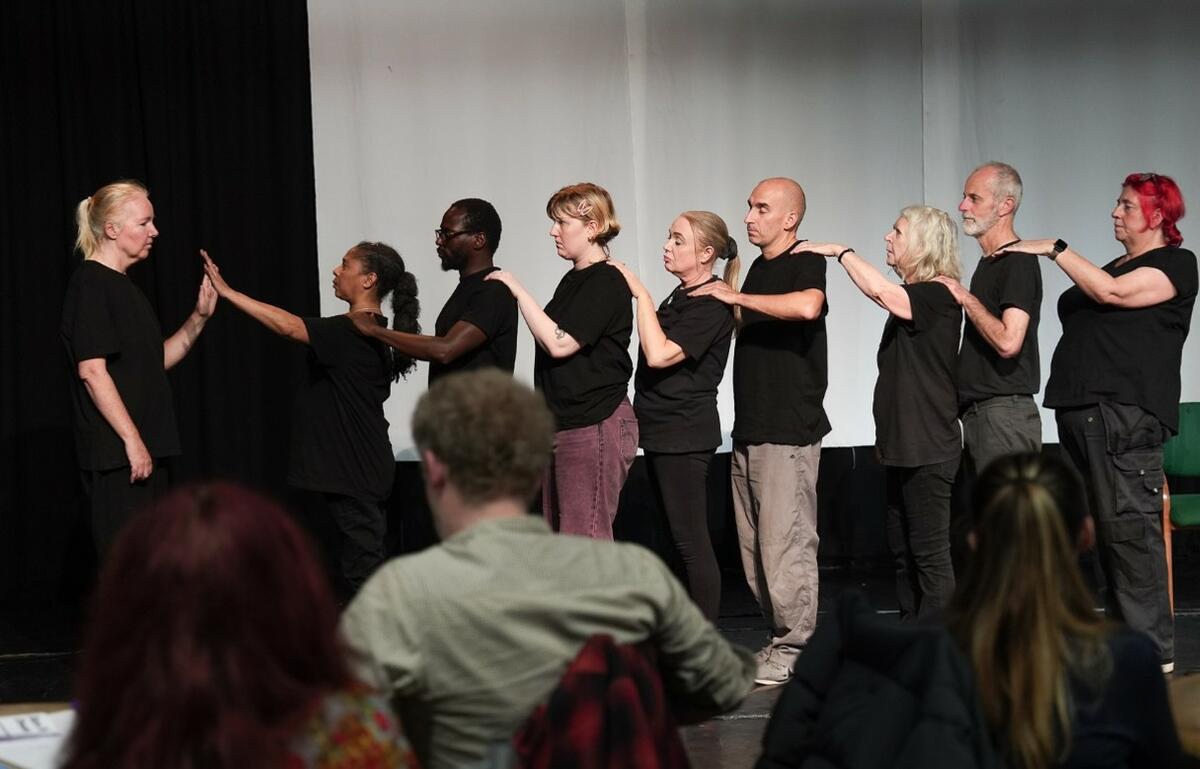
These questions were at the heart of Dare to Dream: A Journey to Health Utopia, an interactive performance created with communities in Sefton, Knowsley and Liverpool, staged between 16th and 18th September 2026. Over several months, participants worked with Collective Encounters - creative partner to ReCITE, a Liverpool School of Tropical Medicine programme researching community-led approaches to health inequity - to explore their experiences of health and healthcare, share stories from their own lives, and imagine what could be better and different.
The result was more than a performance. It gave people the opportunity to say what matters to them, gave audiences a reason to listen and respond, and put ideas about a healthier, fairer future into a wider conversation - one ReCITE hopes will now reach the people who can act on it.
No stage, just tables
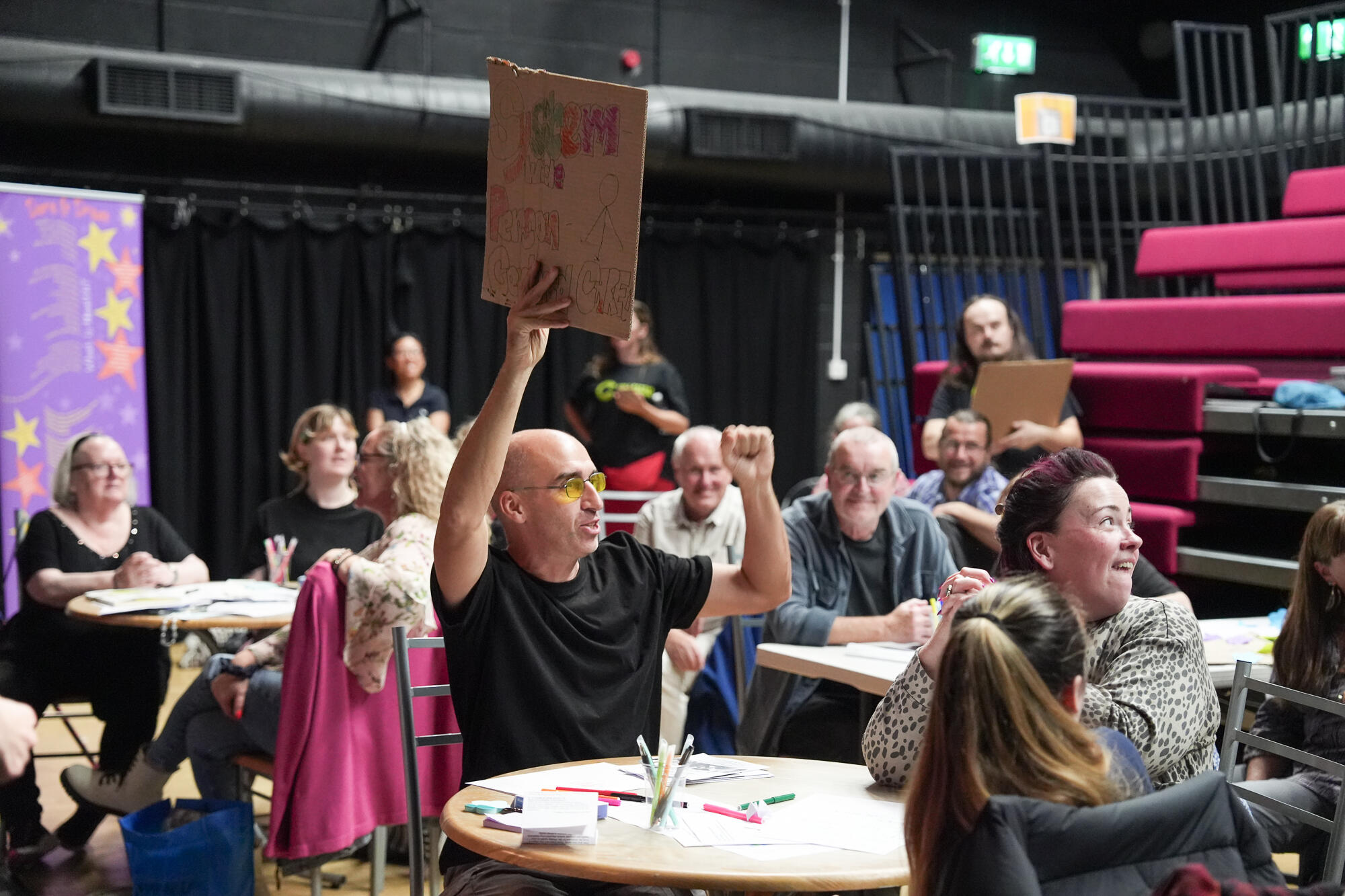
Dare to Dream is not conventional theatre. Co-created with local people with lived experience, it brings together stories, songs, poetry and live performance to explore health, healthcare, access to support and the factors that shape wellbeing.
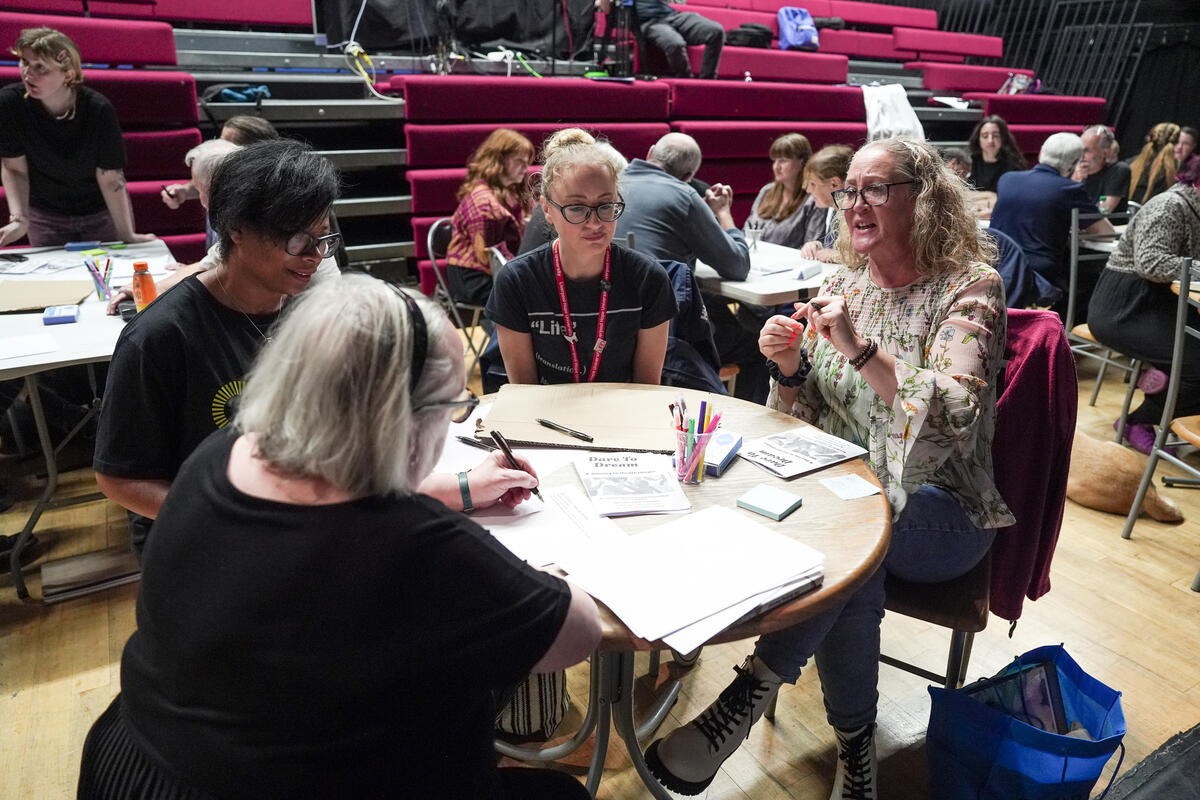
There is no stage. Audiences sit around tables, join conversations and engage as much or as little as they choose. The atmosphere is informal and unhurried, built to make room for things that are often hard to say out loud.
Five questions. One health utopia.
The questions introduced at the start were not separate questions, but provocations designed to build on one another. Starting with what good health means, they moved through access, prevention and how healthcare is funded, before arriving at the big one: how do we fix the health system?
Throughout the performance, audiences were invited to reflect on their own experiences and contribute ideas, hopes and challenges. The format was highly interactive, with actors and audience members exploring questions together rather than simply presenting answers.
1. Health is about more than healthcare
One of the strongest messages emerging from the discussion was that health is shaped by the conditions in which people live. Conversations touched on loneliness, social connections, mental wellbeing, financial pressures and opportunities to live healthy lives, highlighting the importance of community alongside clinical care.
2. Access must feel human
Through a powerful and often moving performance, participants reflected on the reality of navigating healthcare services. Stories highlighted frustrations such as long waits for appointments, difficulties accessing primary care, digital systems that do not work for everyone, and the feeling that services too often lose sight of the individual behind the appointment.
3. Prevention starts in everyday life
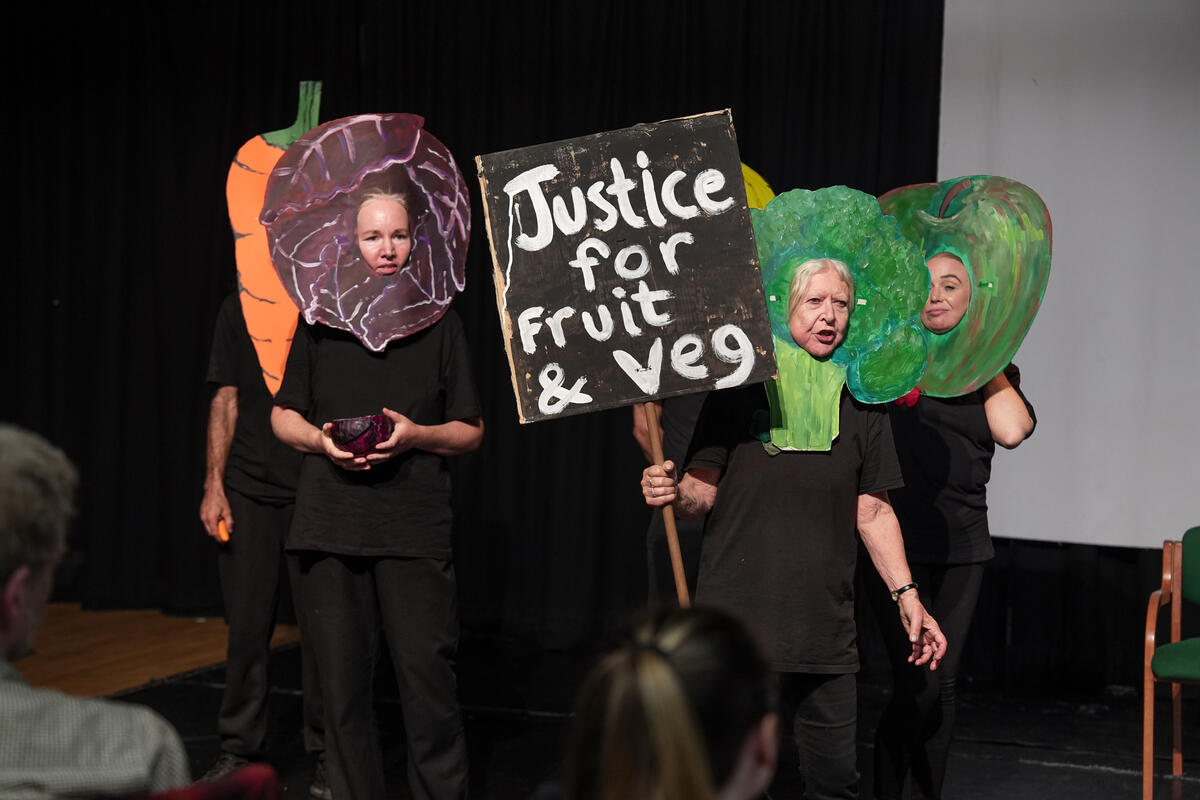
A lively and creative section explored prevention, using humour and performance to examine the choices and circumstances that shape health. Discussions highlighted the value of supporting people to make healthier choices through education, opportunities for physical activity, and access to nutritious food, rather than relying solely on treatment after illness occurs.
4. Include communities in decisions about healthcare provision
The audience explored together the process of expert decision-making and the economics of healthcare. Discussions showed that people with lived experience, service users and grassroots organisations can get involved in resource allocation decisions and have a vast reservoir of community-based knowledge to contribute.
5. Imagining a healthier future
The final chapters invited audiences to think about what a "health utopia" might look like. Ideas included stronger community spaces, greater investment in creativity, sports and social activities, easier access to healthcare professionals, and services designed around people and relationships rather than systems.
Together, these conversations painted a picture of health as something that belongs not only to hospitals and clinics, but to communities themselves.
Turning stories into action
Dare to Dream is part of ReCITE’s advocacy work: using creative practice to bring people’s everyday experiences into conversations with decision-makers and empower everyone to take action. The provocations matter here. Rather than asking people simply to answer questions, the performance creates space for stories, discussion and imagination, revealing the realities of health inequalities in ways that statistics and policy papers often cannot.
The production draws on more than two years of research and engagement with communities across Liverpool City Region. Developed from the experiences of patients, healthcare professionals and frontline staff, it encourages audiences to consider not only their experiences of healthcare but also the values that underpin it.
A theme running throughout the performances is the idea that the NHS belongs to the people. Audiences were invited to reflect on what this means in practice and how the principles of fairness, accessibility, accountability and person-centred care can be strengthened for future generations.
The insights gathered through Dare to Dream will feed into discussions with health and care organisations, local authorities, funders and others in a position to influence policy and practice. The specific recommendations may evolve as the project continues, but the message emerging from communities is already clear: listen to people's experiences and involve them in shaping solutions.
A single performance won't change the health system on its own. But it can create something equally important: a space where people's experiences are heard, valued and transformed into ideas for change.
So, what does health utopia look like?
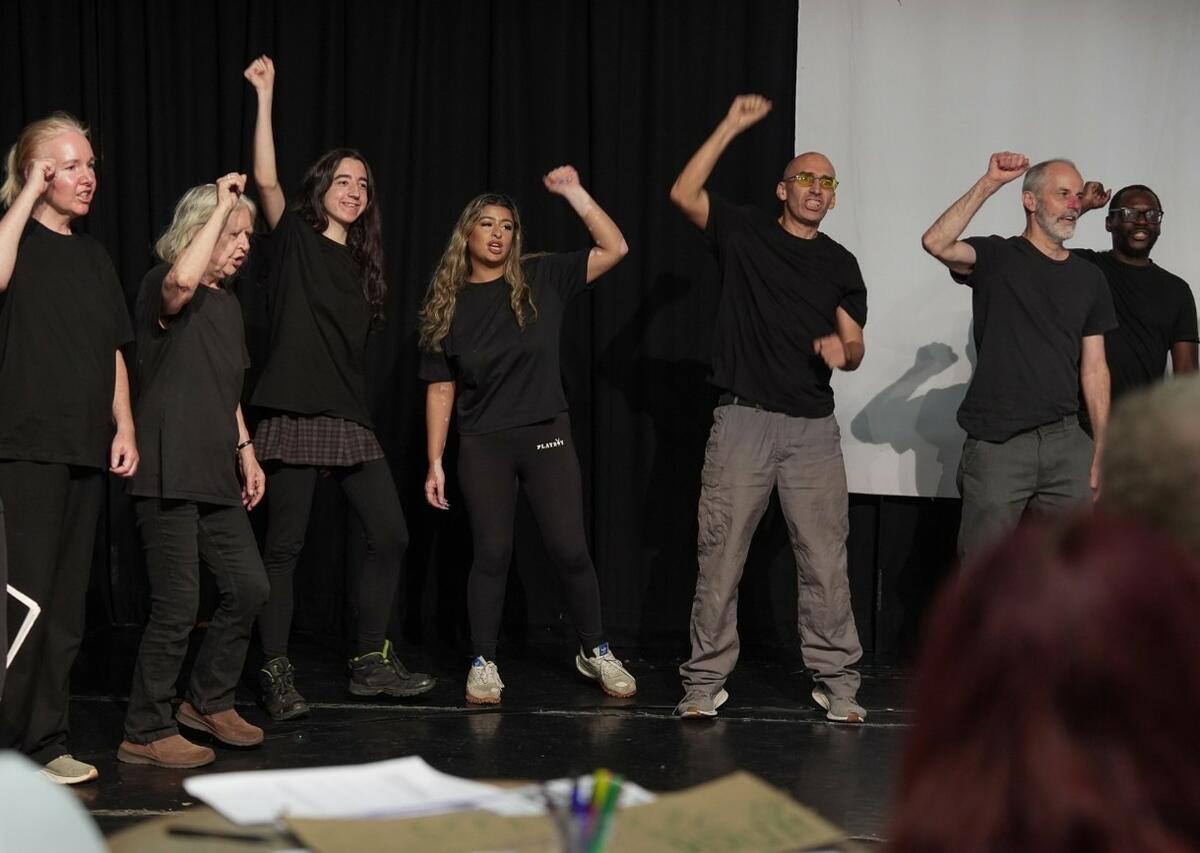
Perhaps there’s no single answer. For some, it might mean being able to see a GP when they need one. For others, it might mean secure housing, access to green space, strong community connections, or services that listen differently and give people a real say in decisions that affect their lives.
Dare to Dream doesn’t pretend to have the answers. What it does is give communities room to ask hard questions, imagine alternatives, and put their ideas forward.
The next step is making sure those voices reach the people who can act on them.
“Dare to Dream was created with a simple principle in mind: the people who use health and care services should have a meaningful role in shaping them. These remarkable performances brought to life the stories that people across Merseyside shared with us and turned them into a collective vision for a healthier future.” - Dr Dawn Holford, Lecturer at Bristol University and ReCITE Research Lead
|
ReCITE is funded by the Arts and Humanities Research Council (AHRC), part of UK Research and Innovation. |
 |

Join our LinkedIn(link is external)(opens in a new tab) community.